
The choice between frameless and framed comes down to three things: how the bathroom looks, how much cleaning you want to do, and what you are willing to spend. Everything else follows from those.
How the two are built
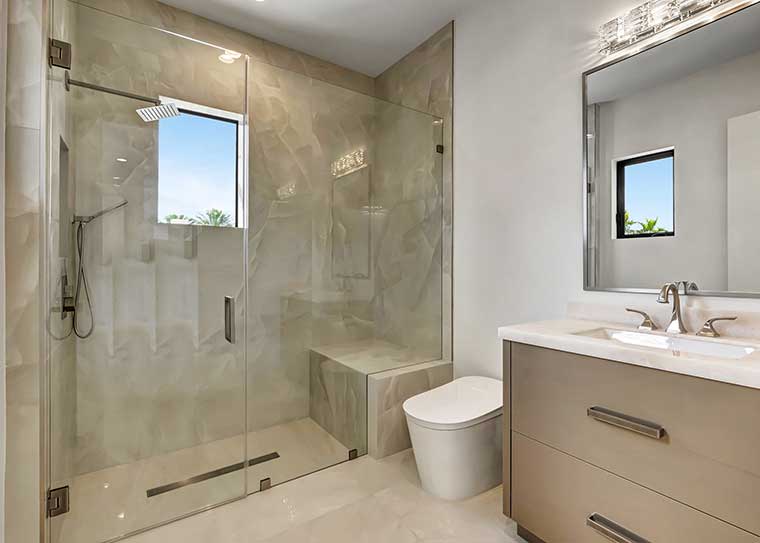
Framed doors use thinner glass supported by a metal frame around every edge. Frameless doors use thicker, custom-cut panels held by minimal hardware — hinges, clamps, and a handle — with no perimeter track.
That structural difference is why frameless glass has to be measured and cut for the specific opening: there is no frame to absorb an out-of-square wall.
Cleaning and upkeep
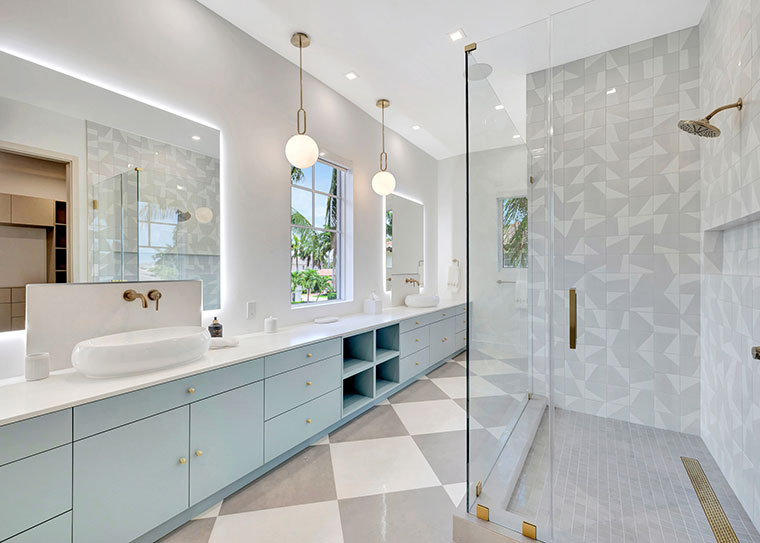
Metal tracks collect water, soap, and eventually mildew, and they are the hardest part of a framed enclosure to keep clean. Frameless glass has far fewer places for buildup to sit. A squeegee after each use plus periodic cleaning with a non-abrasive glass cleaner is usually enough.
Cost and what you get for it
Frameless is generally more expensive: thicker glass, specialized hardware, and a custom cut. Many homeowners choose it anyway for the cleaner look and the resale appeal. A semi-frameless enclosure sits between the two, keeping minimal framing where it is least visible.
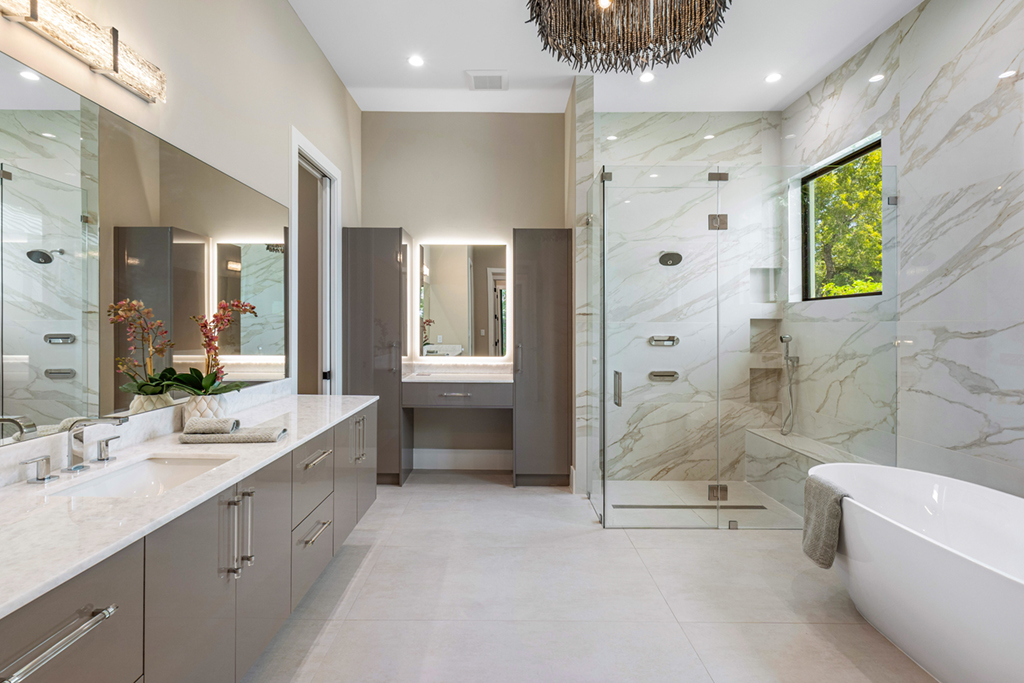
If you are weighing the options for a specific bathroom, the fastest way to decide is to see the opening measured and priced both ways.
Request your free quote →